Pinhão now 16.7 °C See the tours
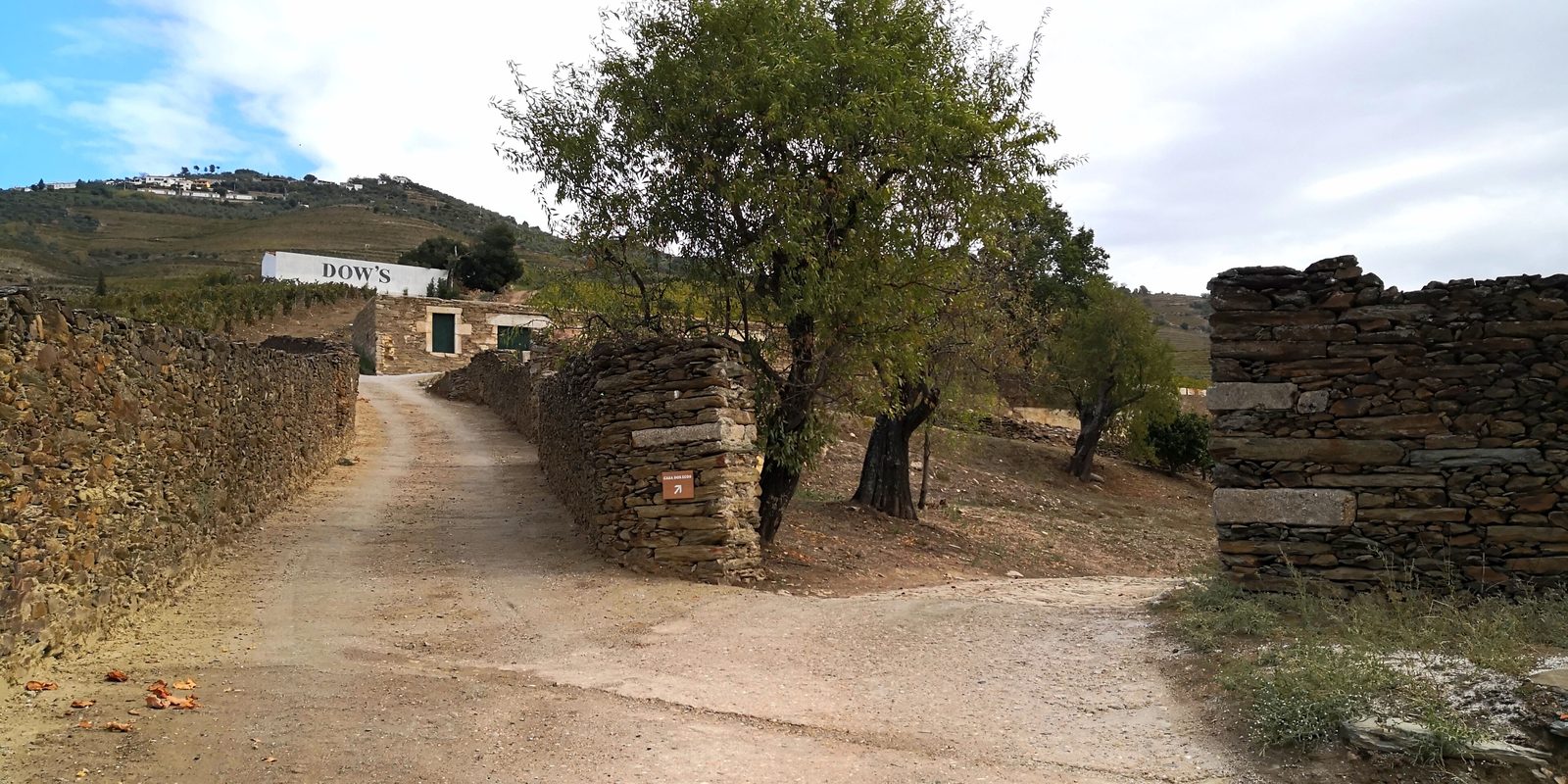
Quinta de São Luíz, quinta house and terraces

Douro Valley › Questions › What is the best time to visit the Douro Valley?

What is the best time to visit the Douro Valley?

Updated 22 October 2026 · IPMA climate records and CP schedules; estate visitor pages

May's mean daily maximum of 24.2 °C at Régua makes it my choice for walking and tastings. September suits harvest visits. Choose spring if heat matters more than seeing grapes picked.

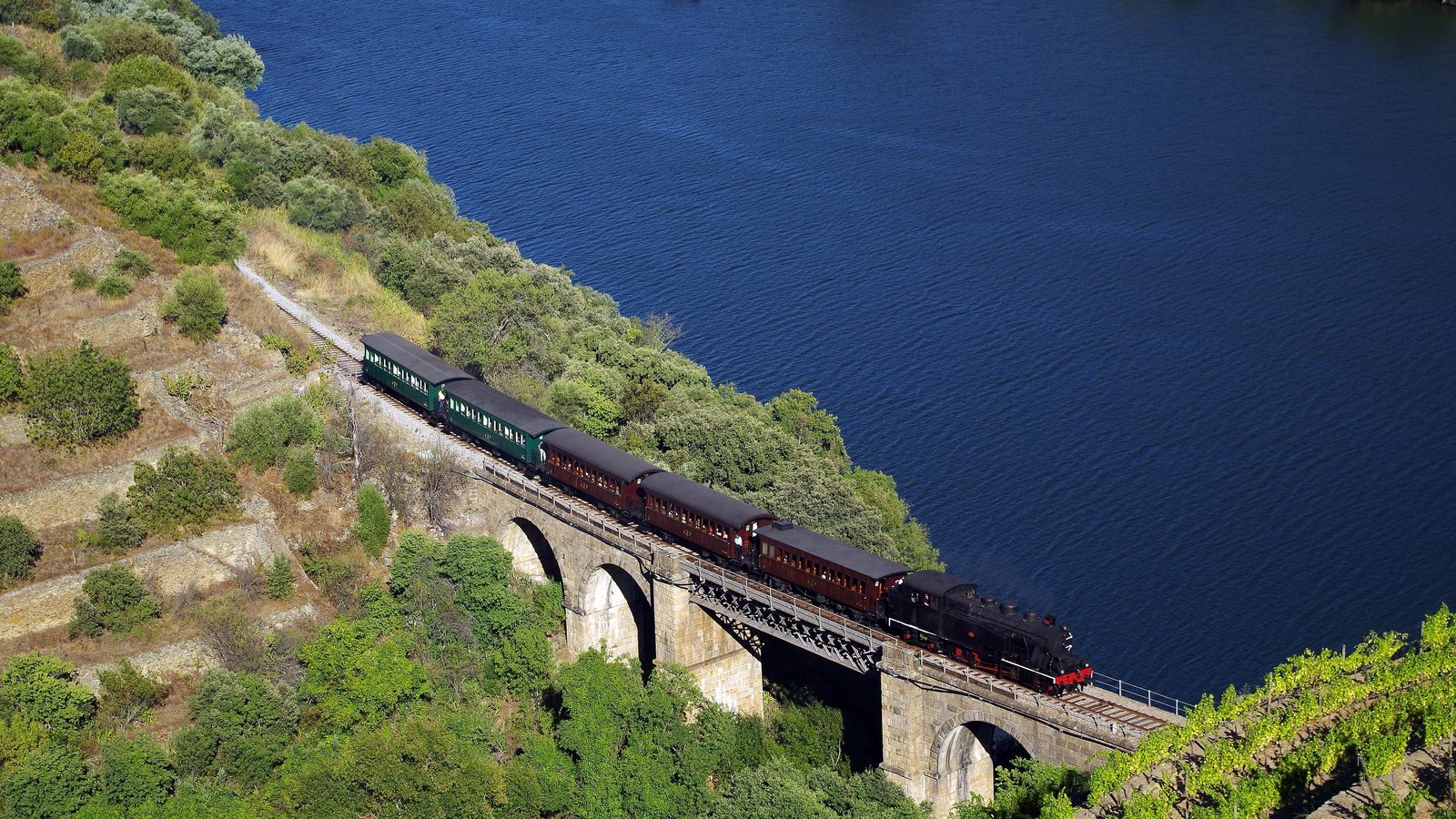
On operating days, the historic train leaves Régua at 15:32 and returns at 18:22. That trip has a June to October season. Your month depends on whether you want a harvest visit or time outdoors; winter also changes the journey from Porto.

Month by month

The Douro Valley by season

Régua's mean daily maximum rises from 21.0 °C in April to 32.1 °C in August.

April to June

Choose May for vineyard walks if you prefer cooler afternoons than in July or August. June's mean daily maximum at Régua reaches 28.7 °C. The historic train starts in June, so April and May suit you less if that journey is central to your visit.

July and August

Régua's mean daily maxima reach 31.7 °C in July and 32.1 °C in August. Keep outdoor plans short if you travel then. Those months suit a day organised around tastings and transport; choose May if long walks between visits matter more to you.

September to October

Choose September for harvest activity if the quinta has dates that fit your trip. October needs more flexibility. Régua's mean daily maximum falls to 23.0 °C in October, while average monthly rainfall rises to 101.1 mm.

November to March

From November to February, Bomfim opens 9:30 to 18:30 with its last visit at 17:00. Choose winter for a tasting visit if you can accept colder weather and plan around shorter opening hours elsewhere. From 3 November to 24 March, buses replace trains between Marco de Canaveses and Régua; allow for the transfer from Porto.

The harvest

When the harvest is and what changes

Quinta do Bomfim gives September to early October as its harvest window.

September suits you if you want to see harvest work during a visit to a quinta. The dates belong to each estate. Bomfim's visitor route includes production facilities and modern lagares designed to mimic foot treading. If you want to tread grapes yourself, choose a quinta that offers participation and book that activity separately.

In harvest: book grape treading separately if joining in is the reason for your trip. Quinta da Roêda offers it by advance booking. You tread grapes in granite tanks called lagares, where the wine is made. A standard tasting reservation does not promise that activity; use the quintas page to choose the visit you want.

October suits you if cooler afternoons matter more than seeing the harvest itself. Early October falls within Bomfim's harvest window. Régua's October rainfall average is 101.1 mm, so an outdoor plan needs room for a wet day. Reserve a tasting you would enjoy if rain rules out your vineyard walk, especially when travelling later in the month.

The historic train runs on selected dates from June to October, while regular MiraDouro services run daily. Day cruises need their own calendar. Douro Acima advertises Porto to Régua sailings from April to October; Rota do Douro also lists departures into December. The sailing calendar decides your month if the boat journey is your main reason to travel.
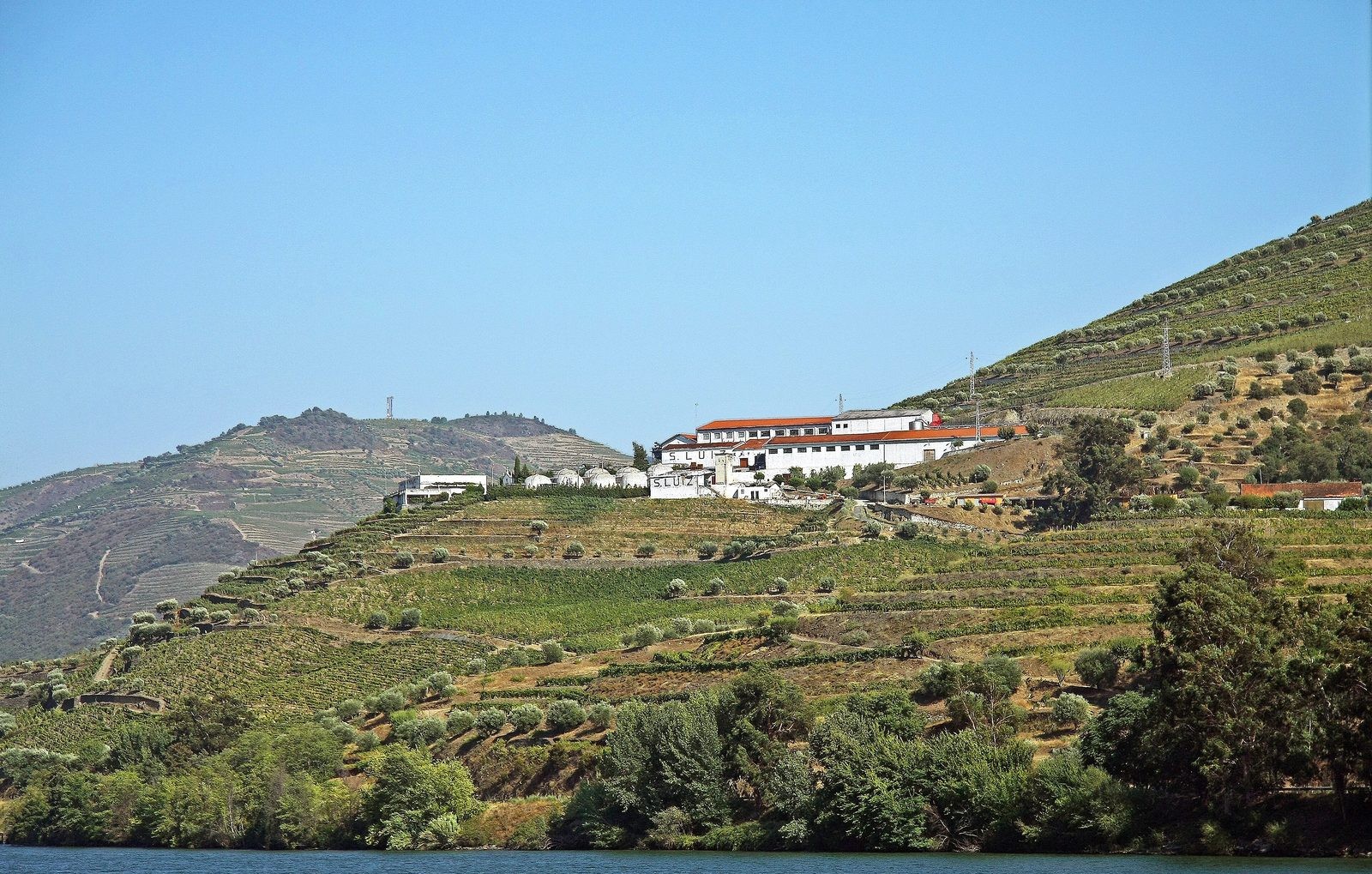
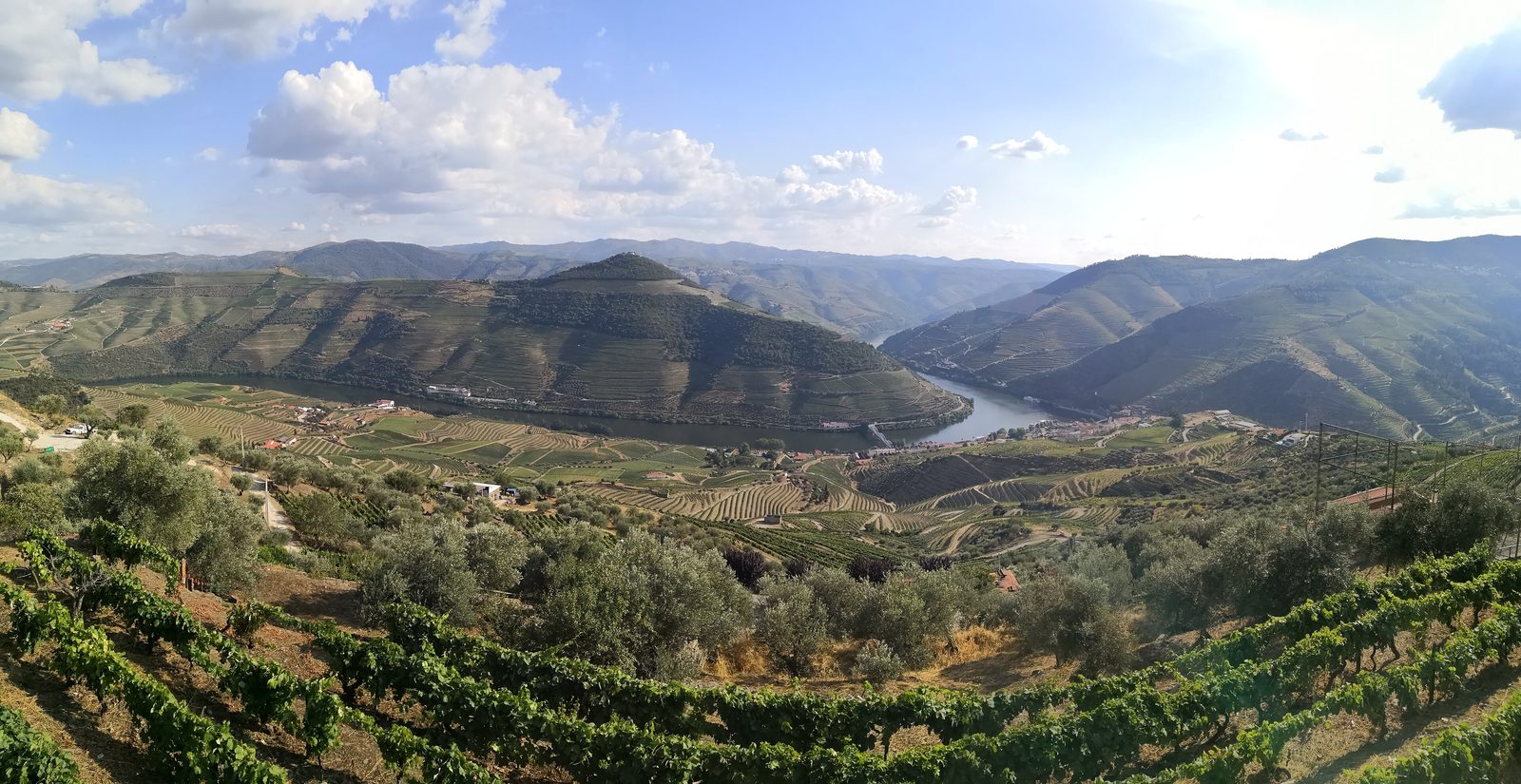
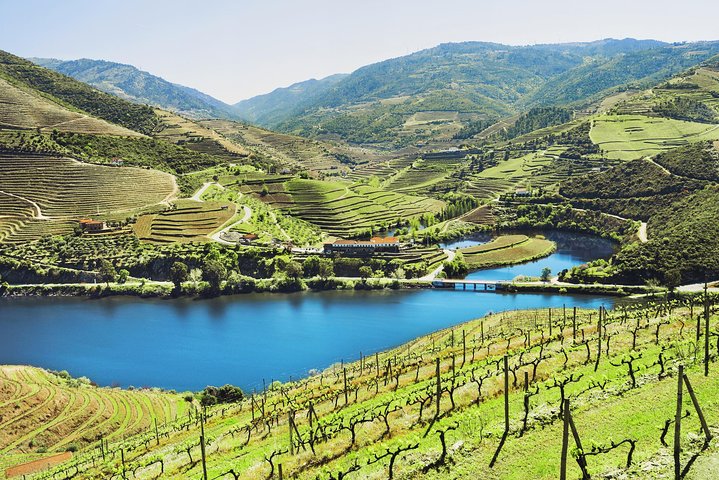
Casal de Loivos viewpoint, Douro bend

The heat

July and August inside the valley

August's mean daily maximum at Régua is 32.1 °C.

Régua's IPMA record includes an average of 8.8 July days reaching 35 °C or more. The August figure is 8.2 days. Those averages explain why I would keep a summer walk short and arrange transport between quintas. Choose a cooler month if you want to spend most of the day walking between visits and exploring the viewpoints.

Porto's weather can give you the wrong expectation. The IPMA station at Porto / Pedras Rubras records a July mean daily maximum of 24.2 °C, compared with Régua's 31.7 °C. Both figures use the same climate period. Use the valley forecast for your plans if heat affects you; a comfortable morning in Porto does not describe the afternoon upriver.

A guided day trip suits summer if you want transport between tastings and time on the river. You still have outdoor stops. Both tours below include visits to two quintas and lunch, with a boat trip from Pinhão. If you prefer to change plans around the temperature, arrange your own visits and use the page on travelling without a tour.

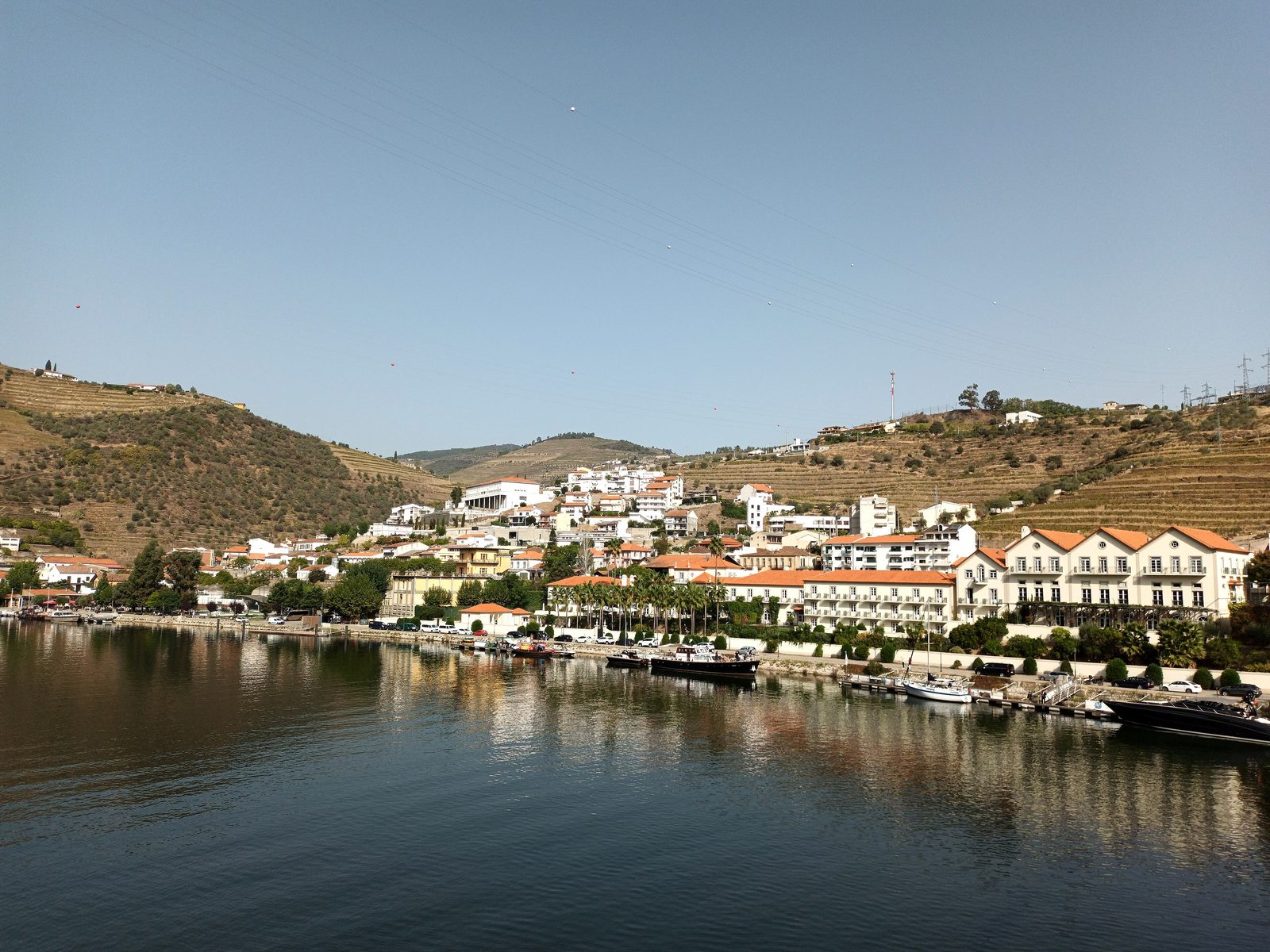
Pinhão, village on the Douro

Today

The weather in Pinhão today

The reading below comes from IPMA's Pinhão, Santa Bárbara station.

16.7 °C air temperature
49% humidity
11 km/h wind
read 22 October at 19:00 IPMA station Pinhão, Santa Bárbara

This page refreshes the display every half hour.

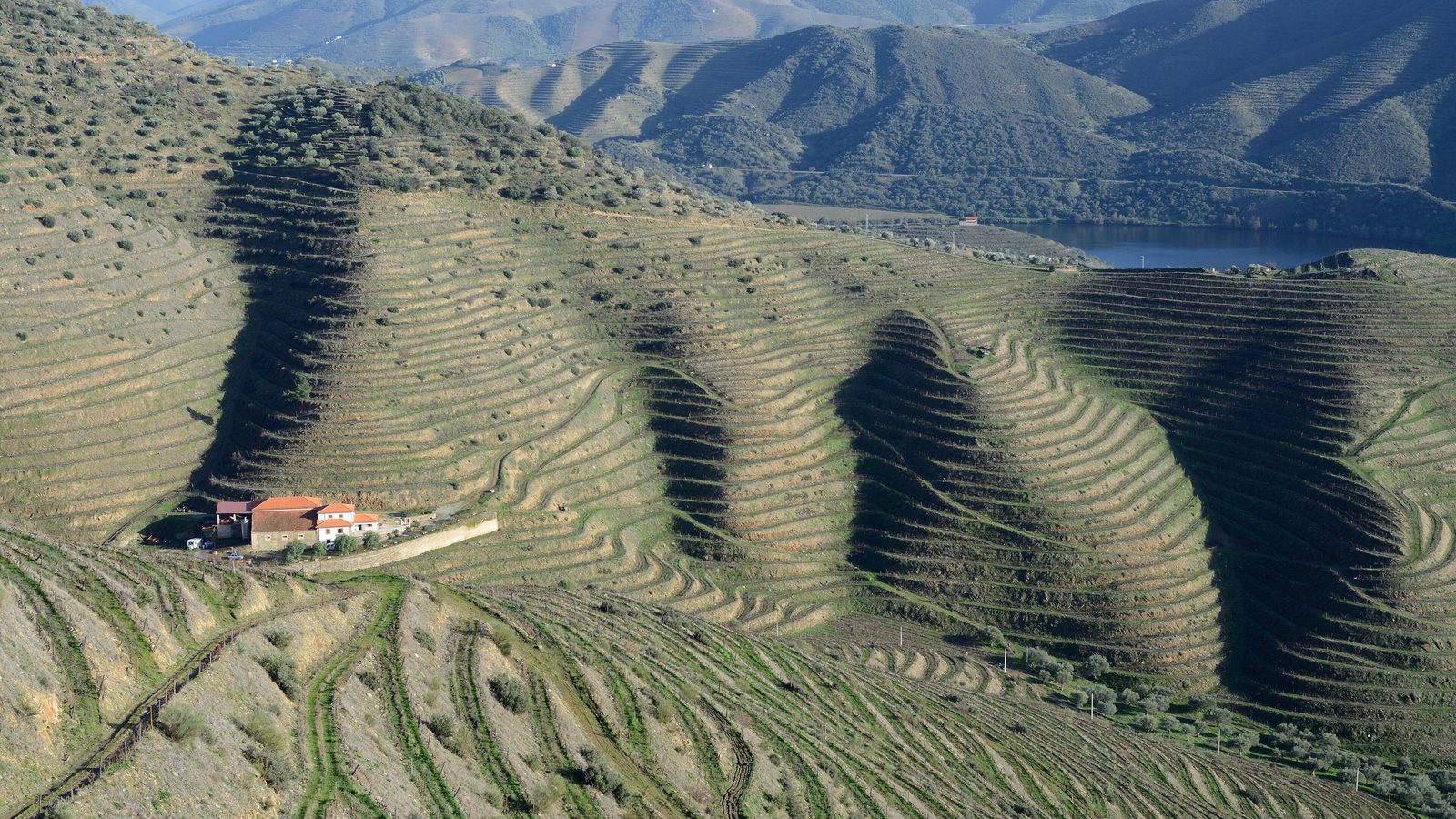
Douro terraces, patamares and a quinta

Tours that fit this answer

These tours add transport between two quintas and a boat trip, if you prefer a set programme to arranging visits yourself.

All tours

Prices are each tour's lowest price, updated 22 October 2026. The buttons open the booking page and the price is the same.

People also ask

Short answers with the figures above.

All questions

What is the best month to visit the Douro Valley?

May is my choice if you want vineyard walks and tastings with lower temperature averages than July and August. Régua's mean daily maximum is 24.2 °C. June is warmer at 28.7 °C, which may suit you if the historic train is part of your plan. Choose September if harvest activity matters more.

When is the grape harvest in the Douro Valley?

September to early October is Bomfim's harvest window, while other estates can follow different dates. Picking can finish before your visit. Quinta da Roêda takes advance bookings for grape treading during the harvest, so arrange the activity for your date. A standard tasting suits fixed travel dates if the harvest programme does not fit.

Is the Douro Valley hotter than Porto?

Yes, the valley floor is hotter than Porto in the summer climate averages. Régua's mean August maximum is 32.1 °C. Porto / Pedras Rubras records 24.7 °C for the same month and climate period, so the coastal figures understate the heat upriver. Use a local forecast for your visit; monthly averages do not tell you what an individual afternoon will bring.

Is the Douro Valley worth visiting in winter?

Winter works for a tasting visit if you can accept colder weather and plan around transport changes. Régua's mean January minimum is 4.5 °C. Bomfim stays open in winter but closes on 25 December and 1 January; choose spring if you want longer outdoor plans. The Pinhão to Romaneira boat trip lasts one hour; November to March departures run from 11:00 to 16:00.